Noida
08042756587
+918700205344

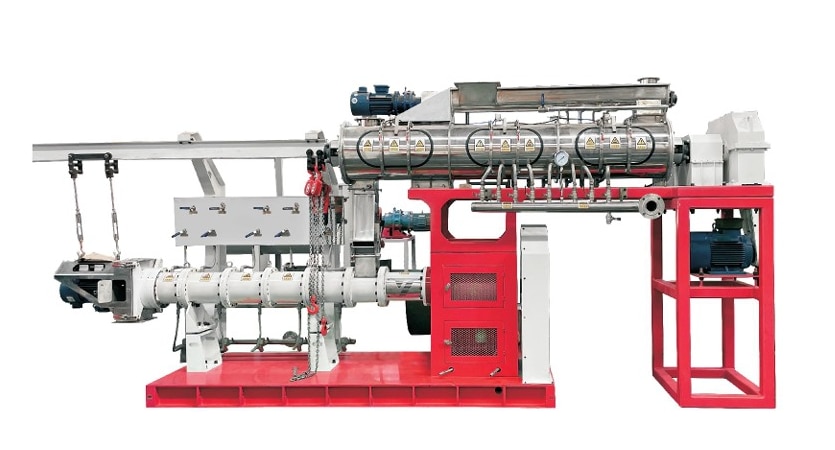
Corn Puff Extruder

Food Processing Machine by SN Engineering Works

Corn Puff Extruder

Phone Number

Mon-Thu: 10 AM - 2 PM • Fri: 3 PM - 7AM

Address

Noida, Noida

Description

A corn puff extruder is a specialized machine used in the food processing industry to produce puffed snacks from corn grits or flour. It works through a process called extrusion, where the corn mixture is fed into a barrel and subjected to high pressure and temperature. As the material moves through the extruder, it is cooked and forced through a shaped die. Upon exiting the die, the sudden drop in pressure causes the moisture in the corn to rapidly vaporize, creating a puffed texture. These machines are widely used for manufacturing popular snacks like cheese balls, puffed corn curls, and breakfast cereals. They can be equipped with different dies and cutting systems to create various shapes and sizes. Modern corn puff extruders are highly efficient, offering continuous production with minimal waste. They are often integrated with flavoring and coating systems to add seasoning after extrusion.

Other Products

view all

6814772a5d263414004dd4a4 Card 2

product image
Animal Feed Making Machine

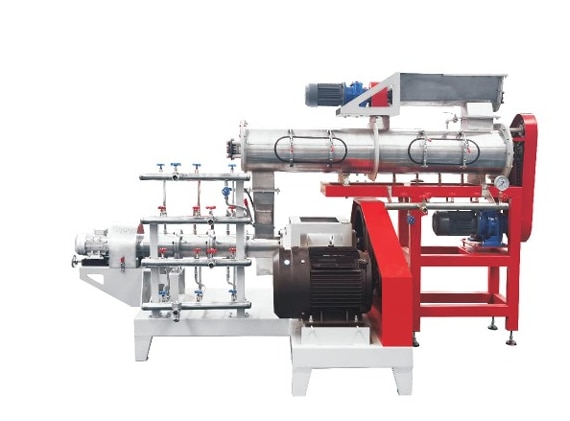
The aquaculture industry has experienced remarkable growth over the last few decades, driven by the rising global demand for high-quality fish and seafood. With this expansion, the need for efficient, reliable, and cost-effective fish feed production technology has become more important than ever. Fish feed is the backbone of aquaculture operations because it directly affects fish growth, health, productivity, and profitability. To meet the large-scale requirements of fish farmers and feed producers, advanced machinery like the Fish Feed Machine 1000 Kg Per Hour capacity has been developed. This machine is specifically designed to cater to industrial-scale fish feed production. With the capability to produce 1 ton of fish feed per hour, it ensures high efficiency, consistent product quality, and cost savings. It is suitable for manufacturers supplying floating fish feed, sinking fish feed, shrimp feed, and other aquatic animal feed. In this article, we will provide a comprehensive overview of the Fish Feed Machine 1000 Kg/Hour, covering its design, working principle, features, technical specifications, applications, advantages, and how it contributes to modern aquaculture. Importance of Fish Feed in Aquaculture Fish feed plays a vital role in ensuring healthy fish growth and maximizing farm output. Balanced feed ensures: Nutritional Support – Fish need proteins, carbohydrates, fats, vitamins, and minerals for proper growth. Faster Growth – High-quality feed reduces the culture period, leading to quicker harvests. Improved FCR (Feed Conversion Ratio) – Quality feed minimizes wastage, ensuring maximum weight gain with minimum feed intake. Better Health & Disease Resistance – Nutritionally balanced feed strengthens immunity. High Yield & Profitability – Good feed reduces mortality rates, ensuring more fish reach market size. A machine with a 1000 kg/hr production capacity is ideal for fulfilling the needs of commercial farms and feed mills that supply feed to multiple aquaculture units.

6814772a5d263414004dd4a4 Card 2

product image
Food Processing Machine

The aquaculture industry has experienced remarkable growth over the last few decades, driven by the rising global demand for high-quality fish and seafood. With this expansion, the need for efficient, reliable, and cost-effective fish feed production technology has become more important than ever. Fish feed is the backbone of aquaculture operations because it directly affects fish growth, health, productivity, and profitability. To meet the large-scale requirements of fish farmers and feed producers, advanced machinery like the Fish Feed Machine 1000 Kg Per Hour capacity has been developed. This machine is specifically designed to cater to industrial-scale fish feed production. With the capability to produce 1 ton of fish feed per hour, it ensures high efficiency, consistent product quality, and cost savings. It is suitable for manufacturers supplying floating fish feed, sinking fish feed, shrimp feed, and other aquatic animal feed. In this article, we will provide a comprehensive overview of the Fish Feed Machine 1000 Kg/Hour, covering its design, working principle, features, technical specifications, applications, advantages, and how it contributes to modern aquaculture. Importance of Fish Feed in Aquaculture Fish feed plays a vital role in ensuring healthy fish growth and maximizing farm output. Balanced feed ensures: Nutritional Support – Fish need proteins, carbohydrates, fats, vitamins, and minerals for proper growth. Faster Growth – High-quality feed reduces the culture period, leading to quicker harvests. Improved FCR (Feed Conversion Ratio) – Quality feed minimizes wastage, ensuring maximum weight gain with minimum feed intake. Better Health & Disease Resistance – Nutritionally balanced feed strengthens immunity. High Yield & Profitability – Good feed reduces mortality rates, ensuring more fish reach market size. A machine with a 1000 kg/hr production capacity is ideal for fulfilling the needs of commercial farms and feed mills that supply feed to multiple aquaculture units.

6814772a5d263414004dd4a4 Card 2

product image
Online Automatic Batch Fryer Machine Manufacturer In Bangalore

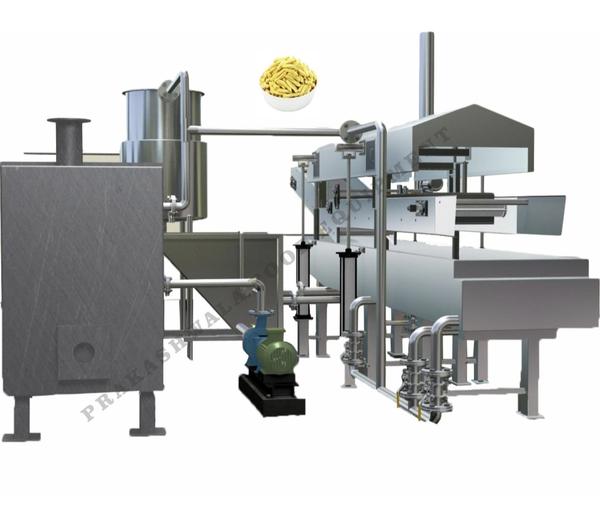
An Online Automatic Batch Fryer Machine is an advanced food processing equipment designed for large-scale frying operations in commercial kitchens and food manufacturing industries. It is specifically engineered to automate the frying process, offering consistency, speed, safety, and efficiency. These machines are commonly used for frying snacks such as potato chips, namkeen, kurkure, banana chips, sev, bhujia, pellets, and other fried food products. Key Features: 1. Automation and Control: The automatic batch fryer is integrated with programmable logic controllers (PLC) or digital control panels. These allow operators to control temperature, frying time, and batch cycles with precision. Automation ensures consistent product quality and reduces human error. 2. Batch Operation: Unlike continuous fryers that run non-stop, batch fryers process a specific quantity of product in each cycle. This makes it easier to maintain flavor, texture, and frying quality, particularly for products that require careful timing. 3. Oil Heating System: The machine is equipped with efficient oil heating systems, including electric, diesel, gas, or thermic fluid-based options. These systems maintain a consistent oil temperature, crucial for uniform frying and minimizing oil absorption. 4. Energy Efficiency: Many modern fryers feature heat exchangers and insulation to reduce energy consumption. Some designs include oil filtration systems that extend oil life, improve product quality, and reduce operational costs. 5. Construction Material: Typically constructed using high-grade stainless steel (SS 304 or SS 316), the machine is corrosion-resistant, easy to clean, and food-grade compliant. The robust design ensures longevity even in high-volume production environments. 6. Oil Filtration and Circulation: Advanced models include inbuilt oil filtration systems that remove food particles and keep the oil clean. Continuous filtration enhances product quality, reduces waste, and increases the lifespan of the oil. 7. Safety Features: Safety mechanisms such as temperature limiters, emergency shutoff buttons, and protective covers are standard in online automatic fryers to ensure safe operation. 8. Cooling and De-oiling Options: Some systems come with optional attachments like vibratory conveyors or centrifugal de-oiling machines to remove excess oil and cool the product before packaging.